How to Prevent Raccoons from Invading Your Attic
As fall approaches in Southwest Michigan, raccoons start looking for warm, secure places to spend the winter. Attics, garages, and crawlspaces are prime targets, offering shelter and protection from the cold. While raccoons may seem cute, they can cause serious damage to your home, spread disease, and create ongoing headaches if not addressed early. Understanding their habits and knowing what to look for is key to keeping them out.
Raccoon Winter Activities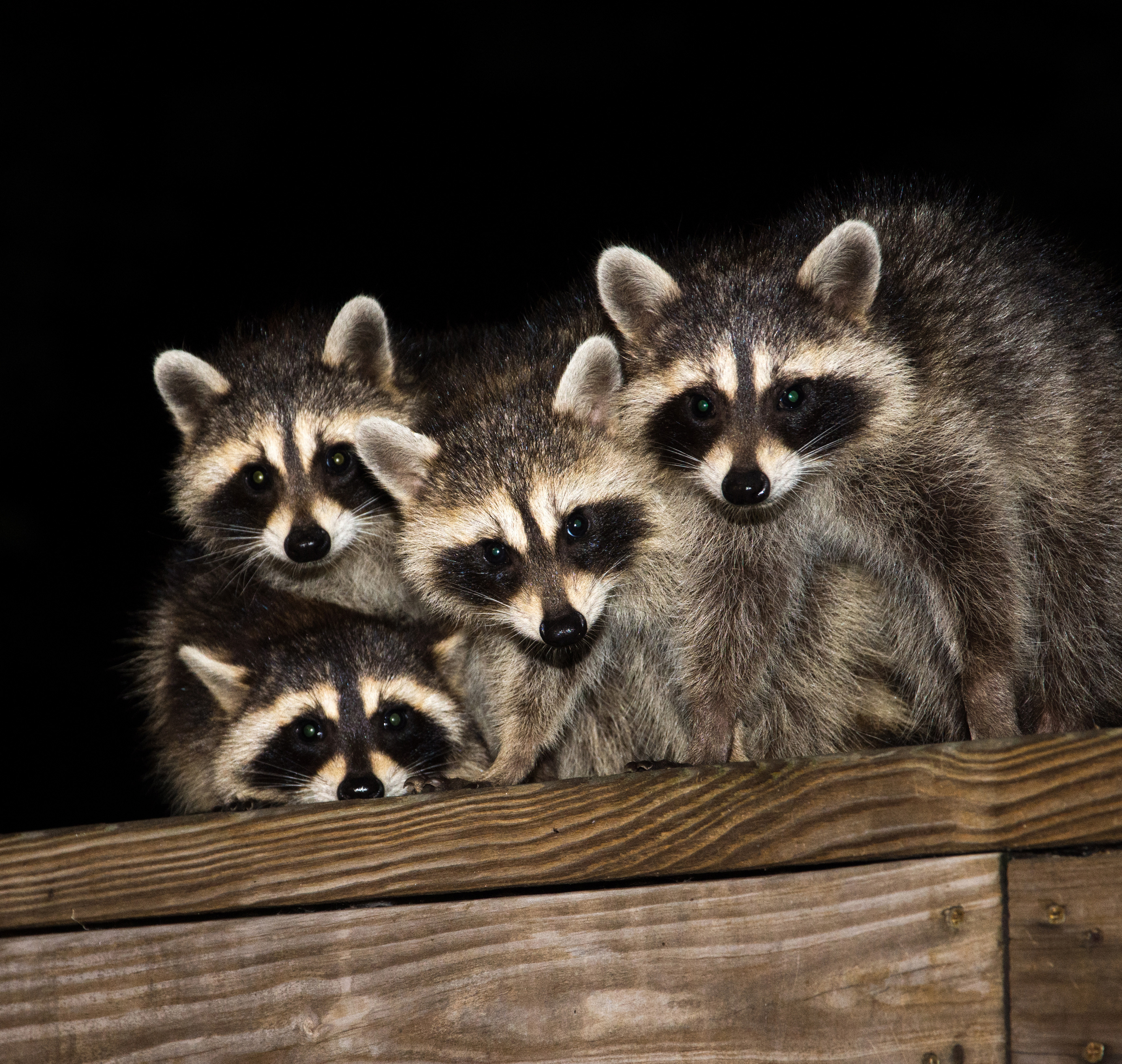
Raccoons are highly adaptive and intelligent. In winter, they:
- Seek insulated, dry spaces to rest during extreme cold
- Build nests using insulation, leaves, and other materials
- May remain partially active during milder winter days
- Look for easy access to food sources, including pet food or trash
This behavior makes attics, chimneys, and rooflines particularly attractive.
What to Look for in the Fall
Early detection in the fall is essential. Signs of raccoon activity include:
- Scratching, thumping, or growling noises in the attic or walls at night
- Torn or shredded insulation in attics or crawlspaces
- Droppings near entry points, in attics, or around chimneys
- Damaged vents, soffits, or rooflines where animals may have gained access
- Evidence of food raiding in garages or outdoor trash areas
Where Raccoons Like to Be in Your Home
Inside your home, raccoons typically target:
- Attics and roof spaces for nesting and resting
- Chimneys, vents, and soffits for easy access points
- Garages and basements, especially near stored food or pet supplies
- Crawlspaces that provide insulation and shelter from the cold
They are highly skilled climbers and can reach almost any part of the roof or exterior if access points are not properly secured.
How to Remedy Raccoon Issues
Homeowners can take steps to prevent raccoon invasions:
- Seal openings around vents, soffits, chimneys, and rooflines
- Trim overhanging tree branches to reduce access to the roof
- Secure garbage cans and remove outdoor food sources
- Repair damaged roofing, siding, or screens that may allow entry
While these steps help, raccoons can be persistent and difficult to remove on your own.
Professional Raccoon Removal Services
Licensed wildlife professionals provide safe, effective removal and exclusion, including:
- Humanely trapping and relocating raccoons
- Inspecting and sealing all potential entry points
- Cleaning and disinfecting contaminated areas
- Repairing or replacing insulation and minor structural damage
- Providing advice on long-term prevention strategies
Professional intervention ensures the problem is fully resolved, reducing the risk of re-entry and protecting your home through the winter months.
Protect Your Southwest Michigan Home Today
Don’t wait until raccoons have made your attic their winter home. Early detection, prevention, and professional removal can save your home from costly damage and health hazards. Contact our licensed wildlife experts for a full inspection and customized raccoon control plan today.